

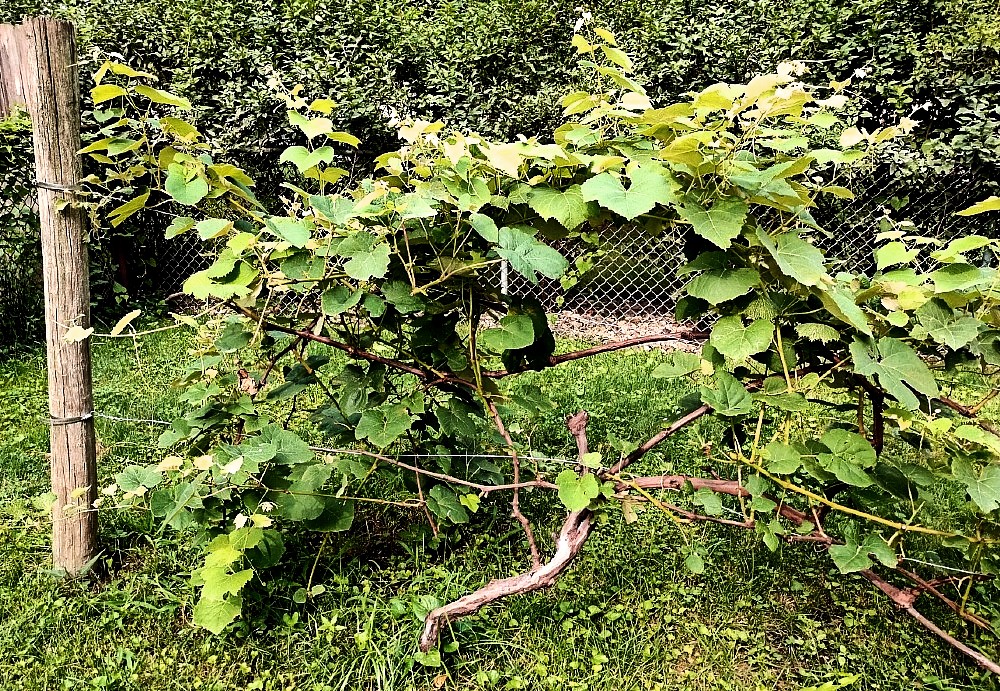
The original owner of our house made wine as a hobby and was an avid gardener who planted Marechal Foch grapes back in the 1970s. We’ve built on his legacy by converting a significant amount of the lawn into a haven for pollinators and wildlife of all kinds with prairie grasses and perennial flowers.
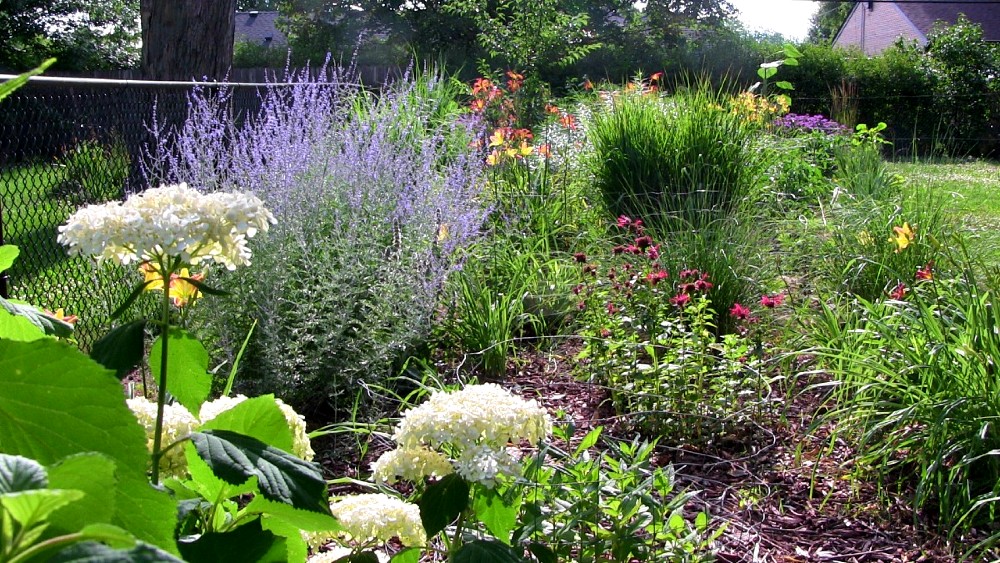
We’ve kept his original produce garden going and enjoy the rewards from it all year long, not only the fresh fruits and veggies in season, but also preserving them through canning and freezing to make use throughout the winter. Grape jam and grape juice have been my favorite way to preserve the strong cherry flavor of the Marechal Foch grape.
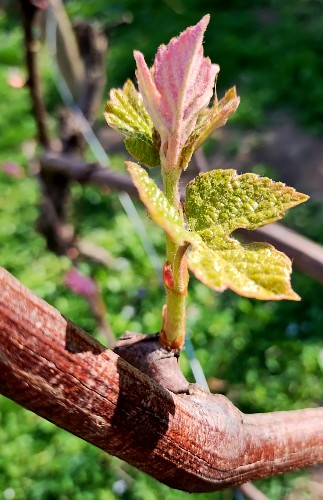
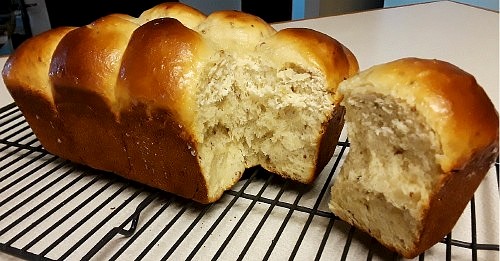
I love canning the juice and enjoying it mixed with sparkling water or baking it into a bread called Mosbolletjies. Homemade grape jam goes well with it.
We’re pleased to build on the foundation started by the previous owners of our house and expand on it because I think the suburban landscape has incredible potential to create biodiverse ecosystems on a small scale that can add up to having a big impact.
I went back to the rural area I grew up in to scatter the ashes of one of my brothers by the creek that ran through our old farm. As I gazed across the landscape, I was struck by the distinct lack of plant diversity. It was all row crops producing corn and soybeans. It’s a utilitarian landscape geared to maximizing the return on investment of very expensive land through the production of commodities.
I’m not knocking it. Modern agriculture has created an abundance of food the likes of which civilization has never known. But climate change is real and pollinator wildlife is under severe threat. The modern production of commodity agriculture shows no real signs of adjusting.
I think a more productive route is to promote a culture that embraces gardening of all kinds as a lifestyle in urban and suburban areas. The urban and suburban landscape can be a canvas to create a new kind of living art that satisfies the soul, promotes physical activity and fosters a sense of connection to one’s surroundings and nourishment.

Ingredients:
This is a basic ratio of ingredients that should be used for any quantity of juice you may have.
- 1½ cups Grape Juice
- 2 tbsp. Ball Classic Pectin
- 1 cup Sugar
***Add ¼ tsp. Citric Acid per cup
Directions:
Step 1: Bring your grapes to a low boil and simmer for 10 minutes. Strain through fine cheesecloth or a chinois.
Avoid the temptation to strain twice to make the juice clearer. It removes too much of the natural pectin and makes for a loose jam.
Step 2: Add the juice and pectin to a large pot and bring to a rolling boil.
Step 3: Boil the juice and pectin for one minute.
Step 4: Add sugar and continue boiling and stirring until the sugar completely dissolves. Boil hard for one minute.
The sugar must be added last or the jam won’t set.
Step 5: Ladle the hot liquid into canning jars and process using the water bath canning method for 10 minutes.
If using a pressure canner, process at 6 lbs. for 10 minutes. Allow the canner to completely depressurize naturally before removing the jars.

 Schmecken!
Good recipe, well shared
LikeLiked by 1 person
What a beautiful grape!! I bet your house’s previous owner is glad you are transforming grapes to long-lasting yummy food😋
LikeLiked by 1 person